Shrimp Scampi — Garlic Butter Pasta Done Right
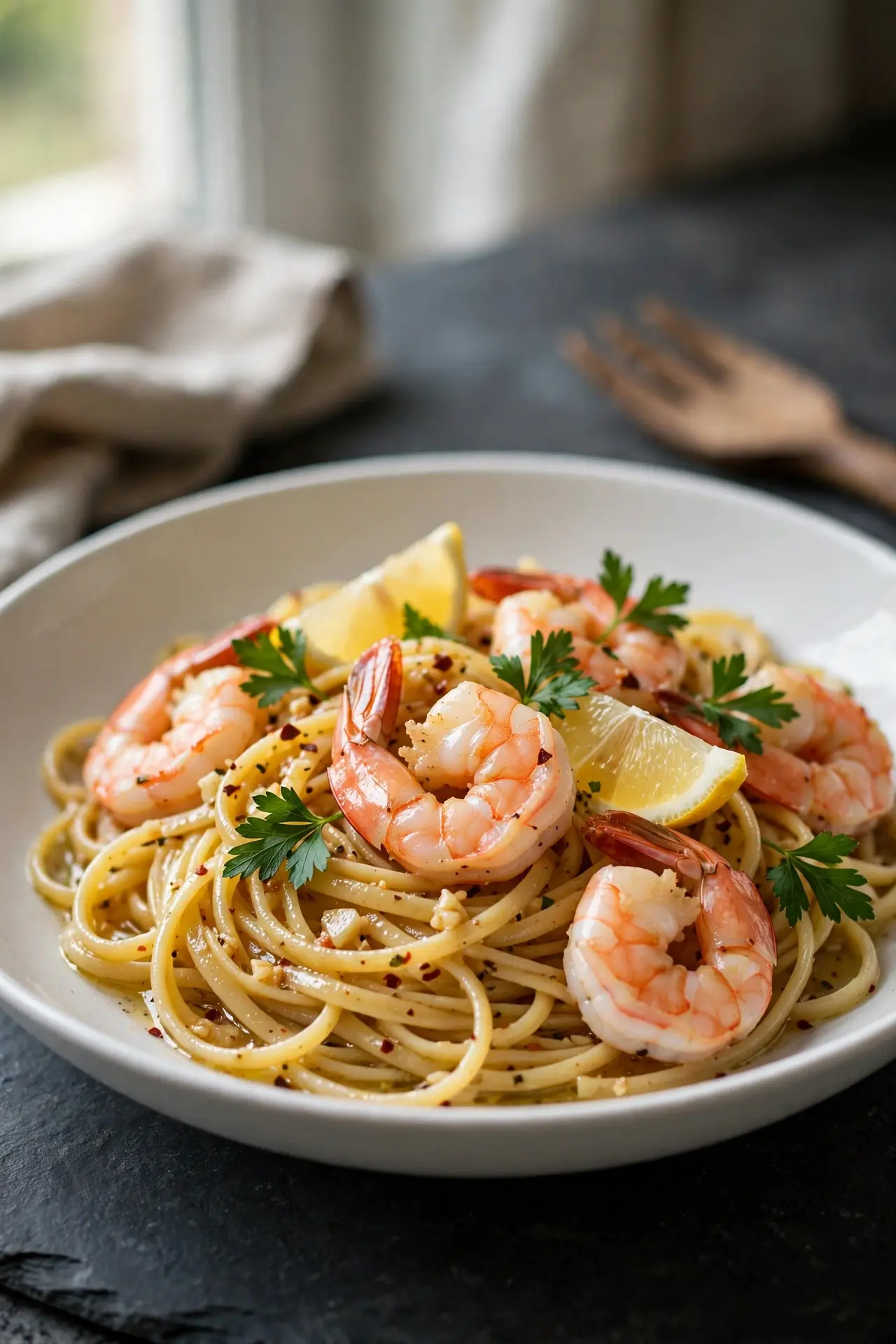
Most shrimp scampi recipes either drown the shrimp in butter or end up thin and watery. This version gets the balance right — a glossy, clingy garlic-lemon sauce built in one pan, tossed with linguine, and on the table in 30 minutes. No wine required. Chicken broth and a squeeze of lemon do the same job without the fuss. The shrimp stay tender because they cook fast and come off the heat at exactly the right moment. If you’ve had shrimp scampi that tasted flat or greasy before, this is the recipe worth trying.
Why You’ll Love This Shrimp Scampi
- The garlic butter sauce clings to the pasta instead of pooling at the bottom of the bowl
- Shrimp cook in under 4 minutes, so overcooking is easy to avoid once you know the cues
- No wine in the recipe — chicken broth and lemon juice give the sauce the same acidity and depth
- One pan for the sauce, one pot for the pasta — straightforward cleanup
- Works as a weeknight dinner and looks composed enough for guests
Ingredients You’ll Need
For the Shrimp
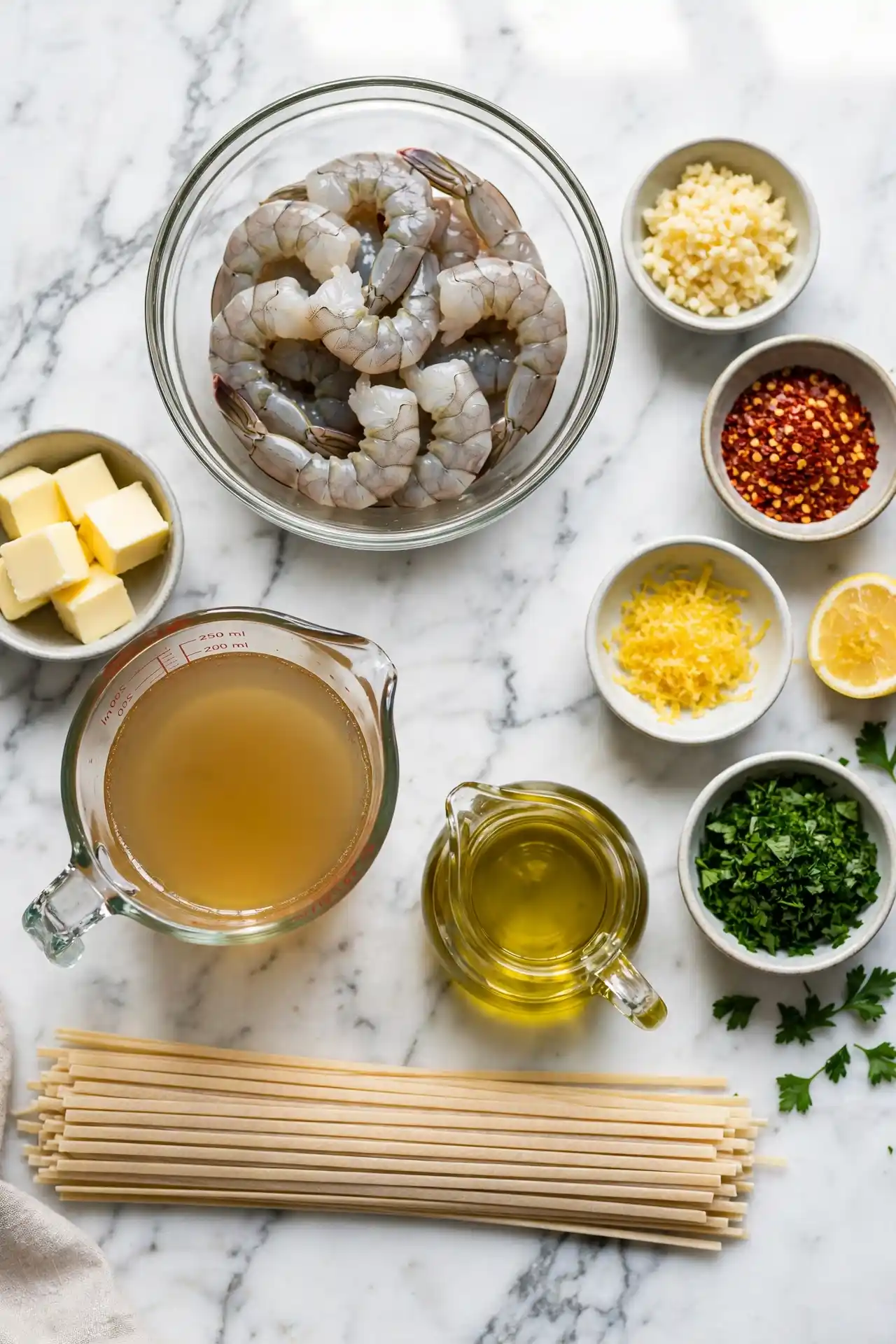
- 450g (1 lb) large shrimp (21–25 count), peeled and deveined — larger shrimp stay juicy and give the dish presence; smaller shrimp overcook too quickly
- 1/2 tsp fine sea salt
- 1/4 tsp black pepper, freshly cracked
- 1/4 tsp red pepper flakes — adds background heat without overwhelming the garlic butter
For the Sauce
- 3 tbsp unsalted butter, divided
- 2 tbsp olive oil — combining butter and oil raises the smoke point and keeps the butter from burning
- 6 cloves garlic, minced (about 2 tbsp) — this is a garlic-forward dish; don’t reduce it
- 125ml (1/2 cup) low-sodium chicken broth — halal substitute for white wine; deglazes the pan and adds savory depth
- 3 tbsp fresh lemon juice (roughly 1 large lemon)
- 1 tsp lemon zest — zest carries the bright citrus oil that juice alone doesn’t deliver
- 2 tbsp fresh flat-leaf parsley, finely chopped
For the Pasta
- 300g (10.5 oz) linguine — the flat surface catches the butter sauce well; spaghetti or fettuccine also work
- 1 tbsp coarse salt (for pasta water)
- 60ml (1/4 cup) reserved pasta water — the starch in this water emulsifies the sauce and makes it cling
Recipe Timing
| Timing Element | Duration |
|---|---|
| Prep Time | 10 minutes |
| Cook Time | 20 minutes |
| Rest Time | N/A |
| Total Time | 30 minutes |
Servings: 4 | Difficulty: Easy | Cuisine: Italian-American | Course: Main
How to Make Shrimp Scampi — Step by Step
Step 1: Cook the linguine
Bring a large pot of water to a rolling boil. Add 1 tbsp coarse salt — the water should taste faintly of the sea. Add the linguine and cook according to package instructions until al dente, usually 8–9 minutes. Before draining, scoop out 60ml (1/4 cup) of pasta water and set it aside. Drain the pasta but do not rinse it.
Why this works: Salting the water seasons the pasta from the inside. Rinsing removes the surface starch that helps the sauce bond to each strand.
Step 2: Season and prep the shrimp
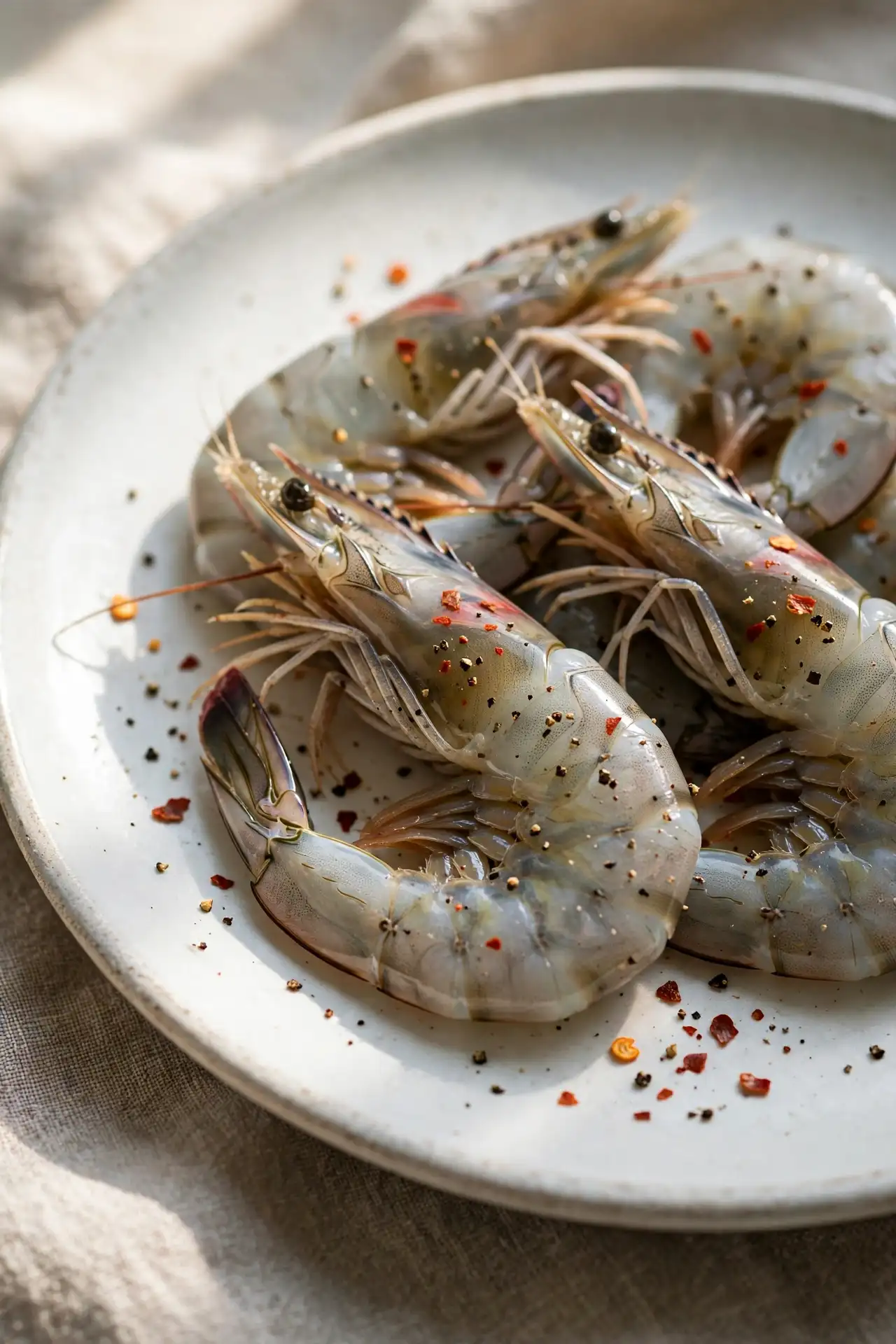
Pat the shrimp dry with paper towels. Season them with 1/2 tsp salt, 1/4 tsp black pepper, and 1/4 tsp red pepper flakes. Toss to coat evenly.
Why this works: Dry shrimp sear rather than steam. Wet shrimp lower the pan temperature and produce grey, rubbery results instead of the pink, lightly golden edges you want.
⚠️ Food Safety: Keep raw shrimp refrigerated until ready to cook. If using previously frozen shrimp, thaw them overnight in the fridge — never at room temperature. Wash your hands and any surfaces that contact raw shrimp before handling other ingredients.
Step 3: Sear the shrimp
Heat 1 tbsp butter and 2 tbsp olive oil in a large skillet over medium-high heat. When the butter stops foaming, add the shrimp in a single layer — do not crowd the pan. Cook 1.5–2 minutes per side until the shrimp turn pink and curl into a loose C shape. An internal temperature of 63°C (145°F) confirms they’re cooked through. Transfer shrimp to a plate and set aside.
Why this works: Cooking in batches if needed keeps the pan hot. A crowded pan steams the shrimp instead of searing them, and you lose the slight golden crust that adds flavor to the final dish.
⚠️ Food Safety: Shrimp are fully cooked when they reach 63°C (145°F) internally. Do not return undercooked shrimp to the pan after they’ve been set aside without bringing them back to a safe temperature.
Step 4: Build the garlic butter sauce
Reduce heat to medium. Add the remaining 2 tbsp butter to the same skillet. Once melted, add the minced garlic and cook for 60–90 seconds, stirring constantly, until fragrant and just starting to turn golden at the edges. Do not let it brown fully — burnt garlic will make the entire sauce bitter.
Why this works: Garlic cooked gently in butter releases fat-soluble flavor compounds that you can’t get any other way. High heat pushes it past golden into burnt within seconds, so staying present at this step matters.
Step 5: Deglaze and build the sauce
Pour in the 125ml chicken broth. Use a wooden spoon to scrape up any browned bits from the bottom of the pan — those bits carry concentrated flavor. Add the lemon juice and lemon zest. Simmer on medium heat for 2–3 minutes until the liquid reduces by about a third and the sauce looks slightly thickened.
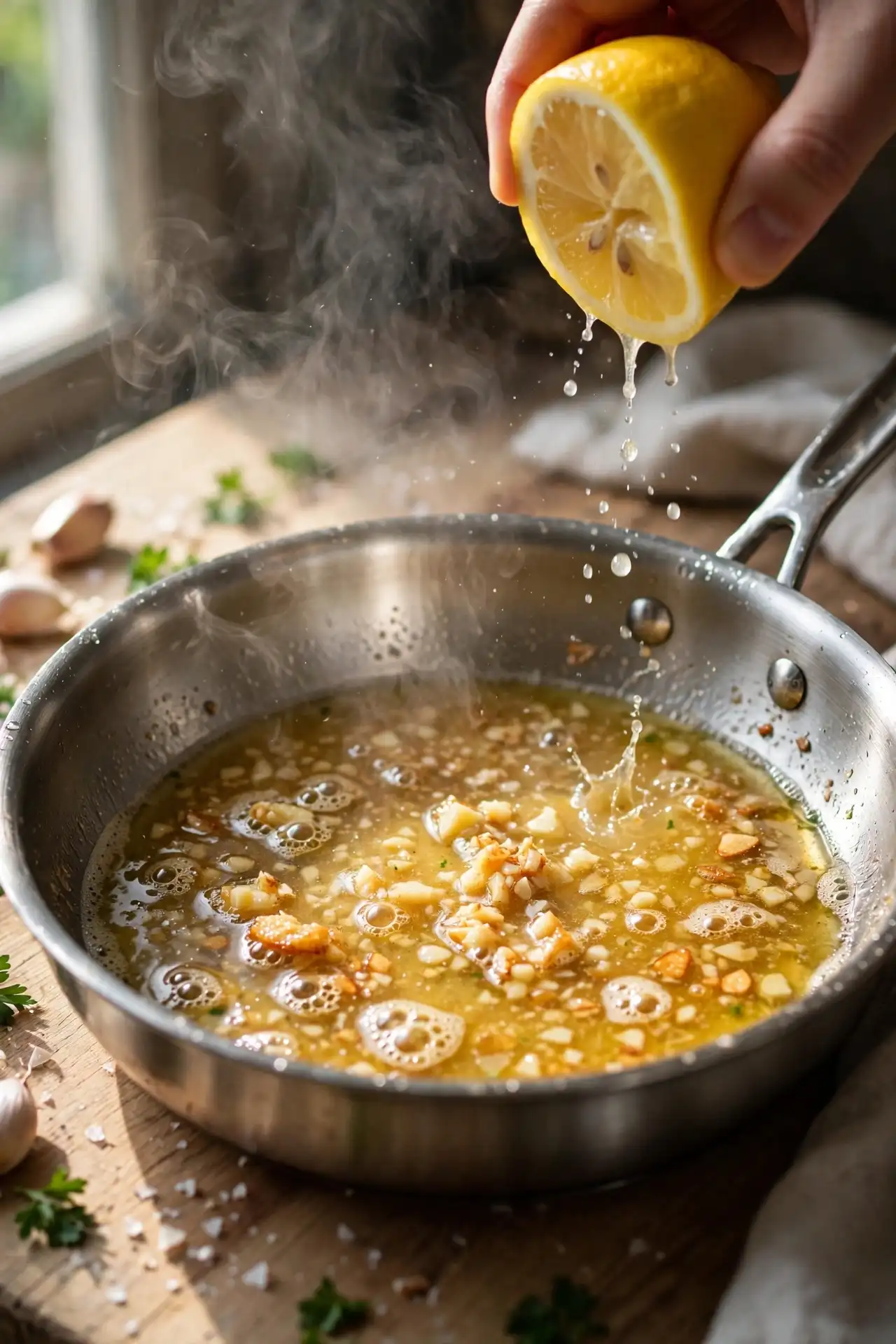
Step 6: Combine pasta and sauce
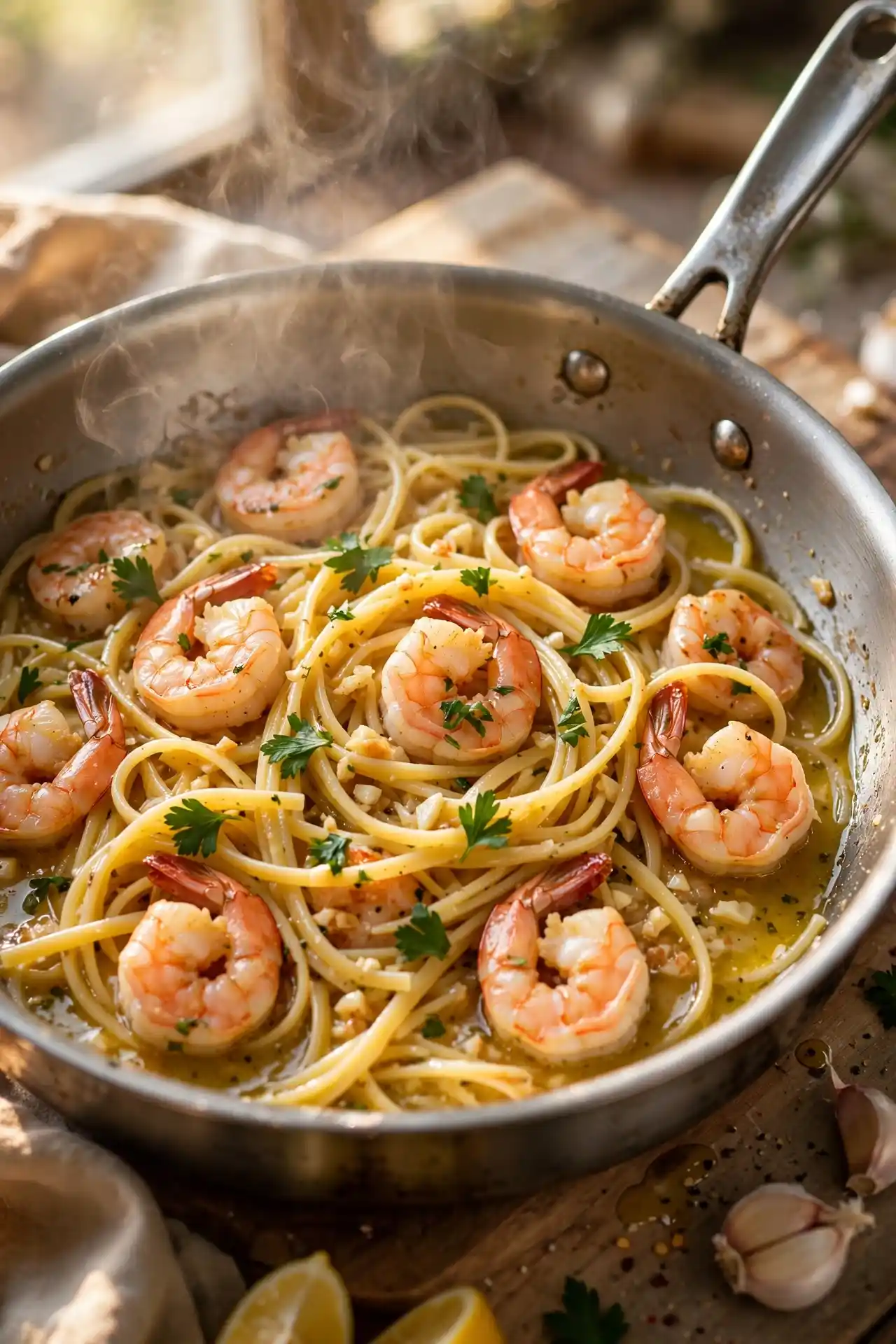
Add the drained linguine directly to the skillet. Pour in the reserved pasta water. Toss everything together over medium heat for 1–2 minutes until the pasta is fully coated and the sauce has thickened into a glossy consistency that clings to the strands.
Why this works: The starchy pasta water acts as an emulsifier — it binds the butter and broth into a cohesive sauce instead of leaving you with greasy, separated liquid at the bottom of the bowl.
Step 7: Return the shrimp and finish
Add the shrimp back into the skillet. Toss gently to combine and heat through for 30–45 seconds — just enough to warm the shrimp without cooking them further. Remove from heat. Scatter the fresh parsley over the top and serve immediately.
Common Mistakes to Avoid
Overcooking the shrimp
Shrimp go from perfectly cooked to rubbery in under a minute. Pull them off the heat the moment they turn fully pink and curl into a C shape. If they curl into a tight O, they’ve gone too far.
Skipping the pasta water
A lot of home cooks drain the pasta and forget about the water entirely. That 60ml makes the difference between a sauce that coats the pasta and one that slides off it. Set a cup near the pot before you drain so you don’t forget.
Burning the garlic
Garlic in butter goes from golden to burnt quickly on medium-high heat. The moment you add it to the pan, drop the heat to medium and keep stirring. A few seconds of inattention can make the whole sauce taste acrid.
Using pre-cooked shrimp
Pre-cooked shrimp are already at temperature. Running them through the searing and sauce steps cooks them a second time and makes them tough. Use raw shrimp for this recipe.
Variations and Substitutions
No pasta version
Skip the linguine and serve the shrimp and sauce over steamed rice or alongside crusty bread for dipping. The garlic butter sauce holds up well either way.
Add spinach or cherry tomatoes
Toss a handful of baby spinach or halved cherry tomatoes into the skillet after deglazing. Both soften quickly in the sauce and add color without changing the core flavor of the dish.
Spicier version
Double the red pepper flakes to 1/2 tsp and add a small pinch of cayenne to the shrimp seasoning. The heat level moves from background warmth to noticeable but not aggressive.
What to Serve With Shrimp Scampi
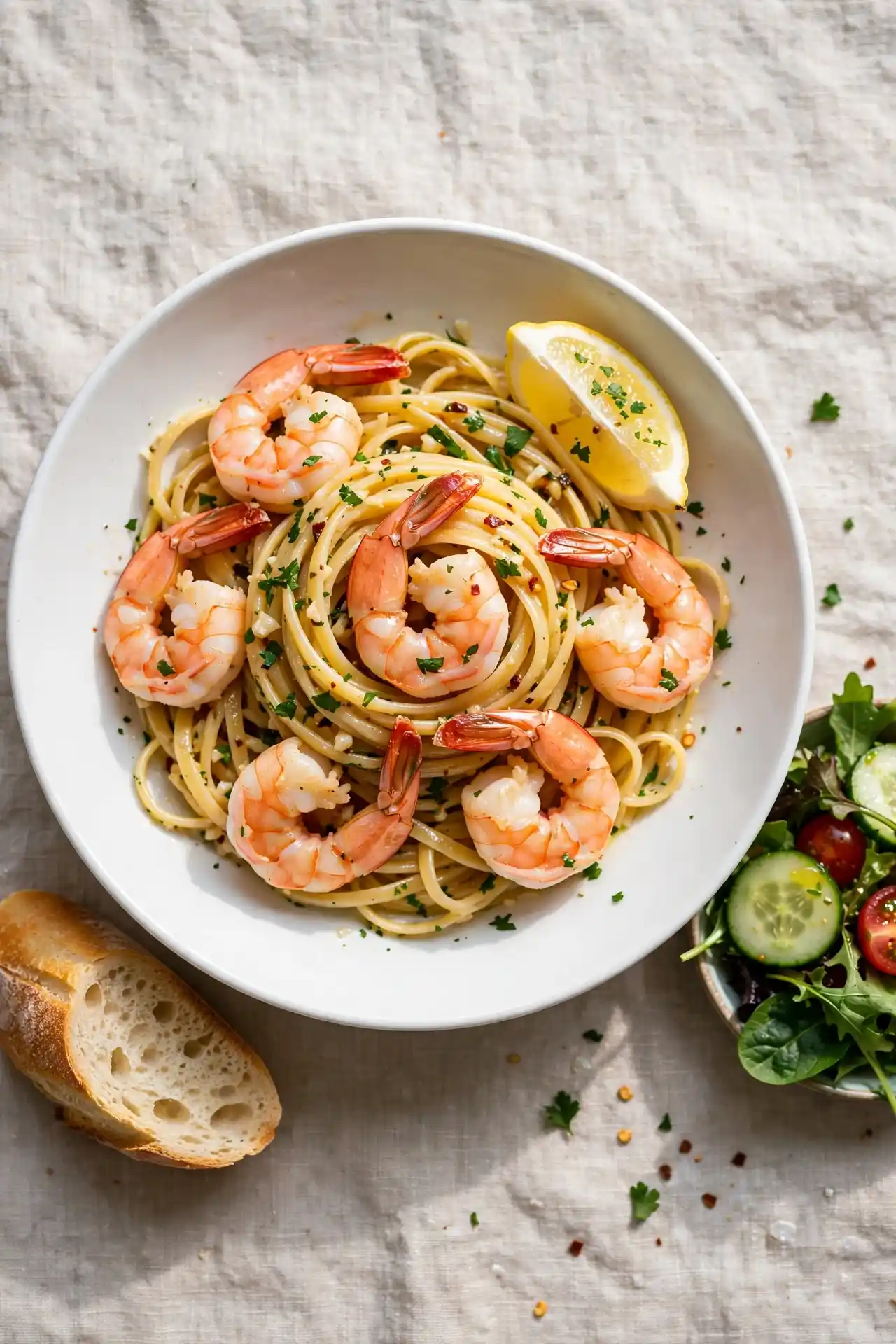
Crusty bread — The garlic butter sauce at the bottom of the bowl is too good to leave behind. A thick slice of toasted bread handles it well.
Simple green salad — Something lightly dressed with lemon vinaigrette cuts through the richness of the butter sauce without competing with it.
Roasted asparagus — Roast at 200°C (400°F) for 12 minutes with olive oil and salt. The slight char pairs well with the lemon in the scampi.
Garlic bread — Doubles down on the garlic, which works if your table is enthusiastic about it.
Steamed broccolini — Keeps the meal balanced and adds texture alongside the soft pasta.
Storage, Reheating and Make-Ahead
Fridge Transfer leftovers to an airtight container and refrigerate within 2 hours of cooking. The pasta and shrimp keep well for up to 2 days. Beyond that, the shrimp texture deteriorates.
Freezer Shrimp scampi does not freeze well. The shrimp become rubbery after thawing and the butter sauce separates. Cook only what you’ll eat within two days.
Reheating Add the leftovers to a skillet over low heat with 2 tbsp of water or chicken broth. Cover and heat for 3–4 minutes, tossing gently halfway through. The added liquid prevents the pasta from drying out and helps the sauce come back together. Avoid the microwave — it makes the shrimp tough and the sauce greasy.
Make-Ahead You can peel, devein, and season the shrimp up to 24 hours ahead and keep them covered in the fridge. Mince the garlic and measure the remaining ingredients in advance. The actual cooking takes under 20 minutes, so making the full dish ahead isn’t necessary or recommended.
Allergen and Dietary Information
Contains shellfish (shrimp). For a shellfish-free version, try substituting with firm tofu cubes or sliced chicken breast, adjusting cook time to ensure the protein reaches a safe internal temperature.
Contains gluten (linguine). To make this gluten-free, use certified gluten-free pasta in the same quantity and cook according to its package instructions.
Contains dairy (butter). For a dairy-free version, substitute the butter with an equal amount of good-quality olive oil or a dairy-free butter alternative.
“Contains shellfish, gluten, and dairy. Cross-contamination is possible depending on your kitchen setup and specific ingredient brands. For a strict allergen-free version, verify all product labels individually.”
Nutrition Information
Per serving, based on 4 servings from the quantities listed above.
| Nutrient | Per Serving |
|---|---|
| Calories | 485 kcal |
| Protein | 32 g |
| Total Carbohydrates | 52 g |
| Dietary Fiber | 2 g |
| Total Sugars | 2 g |
| Total Fat | 16 g |
| Saturated Fat | 6 g |
| Sodium | 620 mg |
| Cholesterol | 195 mg |
| Potassium | 380 mg |
| Vitamin C | 12 mg |
| Calcium | 90 mg |
| Iron | 2.8 mg |
“Nutritional values are estimates only and may vary based on specific ingredients, brands, and portion sizes used. For precise dietary needs, consult a registered dietitian.”
Frequently Asked Questions
Can I make shrimp scampi without wine?
Yes, and this recipe is built that way. Low-sodium chicken broth combined with fresh lemon juice replicates the acidity and depth that white wine provides. The sauce tastes full and bright without any substitution being noticeable.
What size shrimp works best for scampi?
Large shrimp in the 21–25 count range (meaning 21–25 shrimp per pound) give the dish the right presence and are forgiving enough to cook without going rubbery instantly. Smaller shrimp like 41–50 count overcook in seconds and get lost in the pasta.
Can I use frozen shrimp?
Frozen shrimp work well as long as you thaw them properly. Place them in a colander in the fridge overnight, or seal them in a zip-lock bag and submerge in cold water for 20–30 minutes. Pat them completely dry before seasoning and cooking.
How do I keep shrimp from getting rubbery?
Two things cause rubbery shrimp: wet shrimp going into the pan (they steam instead of sear) and overcooking. Dry them thoroughly with paper towels, cook on medium-high heat, and pull them off the moment they turn pink and form a loose C shape. Thirty extra seconds in the pan is enough to ruin the texture.
Can I make shrimp scampi ahead of time?
The sauce and pasta can be cooked 1–2 hours ahead and kept warm over very low heat with a splash of broth to loosen it. Cook the shrimp fresh, right before serving. Shrimp reheated from cold lose their texture quickly, so that step is worth keeping live.
What pasta can I use instead of linguine?
Spaghetti, fettuccine, and angel hair all work. Angel hair cooks in 3–4 minutes, so time it carefully to avoid overcooking. Fettuccine holds up well if you prefer a thicker noodle. Avoid short pasta shapes like penne — they don’t carry the butter sauce as effectively.
How long does leftover shrimp scampi keep in the fridge?
Up to 2 days in an airtight container. The shrimp texture softens after the first day, so it’s best eaten the same day or the next. Reheat gently in a skillet with a small splash of water or broth rather than in a microwave.
Conclusion
Shrimp scampi gets its reputation from that garlic butter sauce — when it’s right, it coats every strand of pasta and makes the shrimp taste better than they have any business tasting on a Tuesday night. The two things that matter most are dry shrimp and not walking away from the garlic. Get those right and the rest of the dish takes care of itself. Make it once and you’ll find the timing becomes second nature.
Shrimp Scampi — Recipe Card
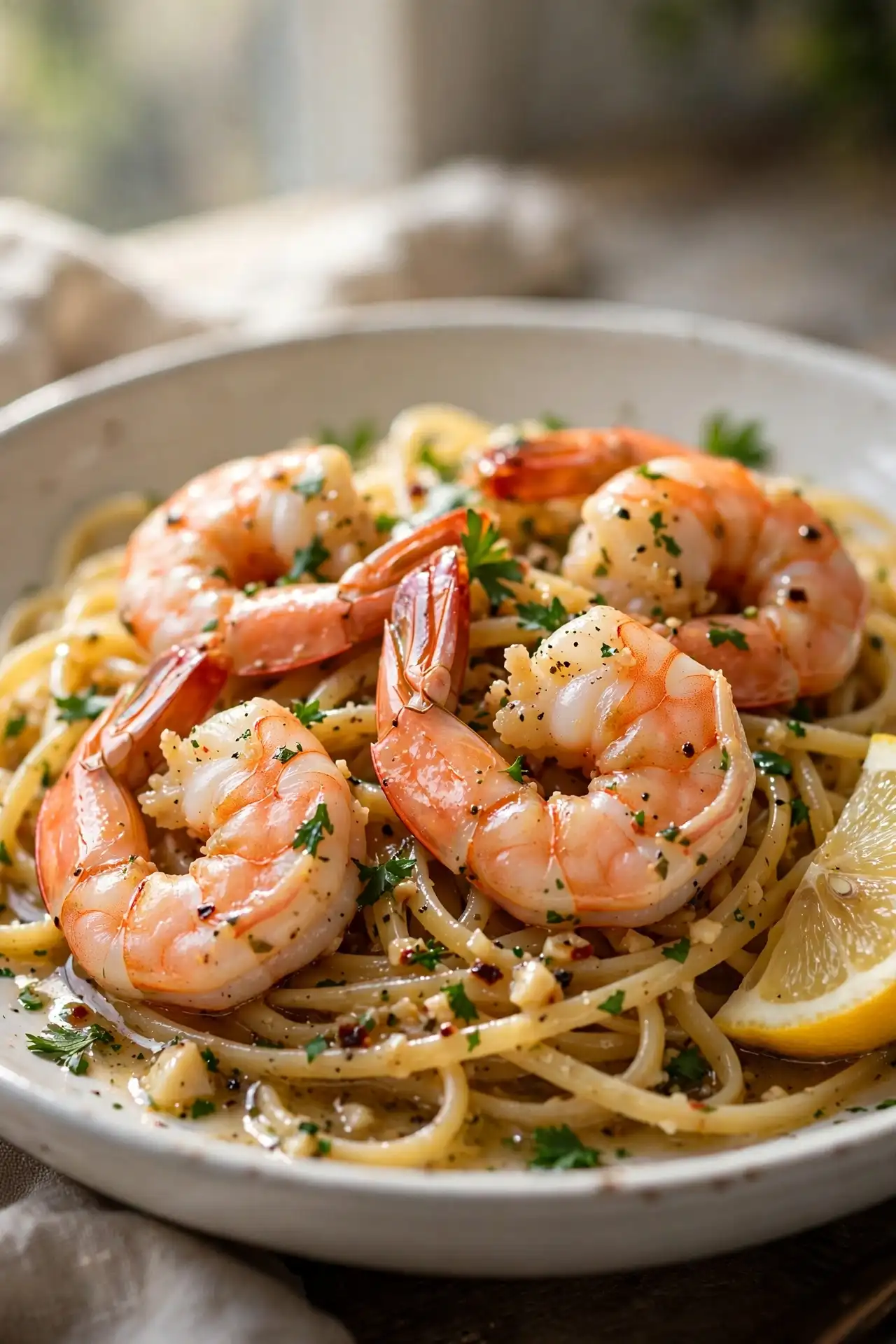
Shrimp Scampi — Garlic Butter Pasta Done Right
Ingredients
Method
- Boil salted water and cook linguine until al dente, 8–9 minutes. Reserve 60ml pasta water before draining. Do not rinse.
- Pat shrimp dry. Season with salt, pepper, and red pepper flakes.
- Heat 1 tbsp butter and olive oil in a large skillet over medium-high. Sear shrimp 1.5–2 minutes per side until pink and curled to a loose C shape (63°C / 145°F internal). Remove to a plate.
- Reduce heat to medium. Add remaining 2 tbsp butter. Cook garlic 60–90 seconds, stirring constantly, until fragrant.
- Pour in chicken broth. Scrape the pan. Add lemon juice and zest. Simmer 2–3 minutes until reduced by a third.
- Add drained linguine and reserved pasta water. Toss over medium heat 1–2 minutes until sauce is glossy and clings to the pasta.
- Return shrimp to the pan. Toss 30–45 seconds to warm through. Remove from heat. Top with parsley and serve immediately.